Finotor — Accounting Platform
[ DEC 2023 - FEB 2024 ]Finotor is an all-in-one accounting solution for entrepreneurs and e-commerce businesses that simplifies daily financial management.
I bootstrapped the project and designed core feature such as invoice generation based on modern forms.
ROLE : Fullstack Developer
CLIENT : For Finotor, employed by Selego B.V.
During my university exchange in Berlin, I joined Selego as a freelance full-stack engineer for 3 months to help build Finotor, a modern accounting SaaS tailored for e-commerce merchants. The mission: turn a fragile prototype into a lean, reliable MVP ready to serve real users — fast.
What I Brought to the Project
- Bootstrapped the full-stack architecture (React + Express + PostgreSQL)
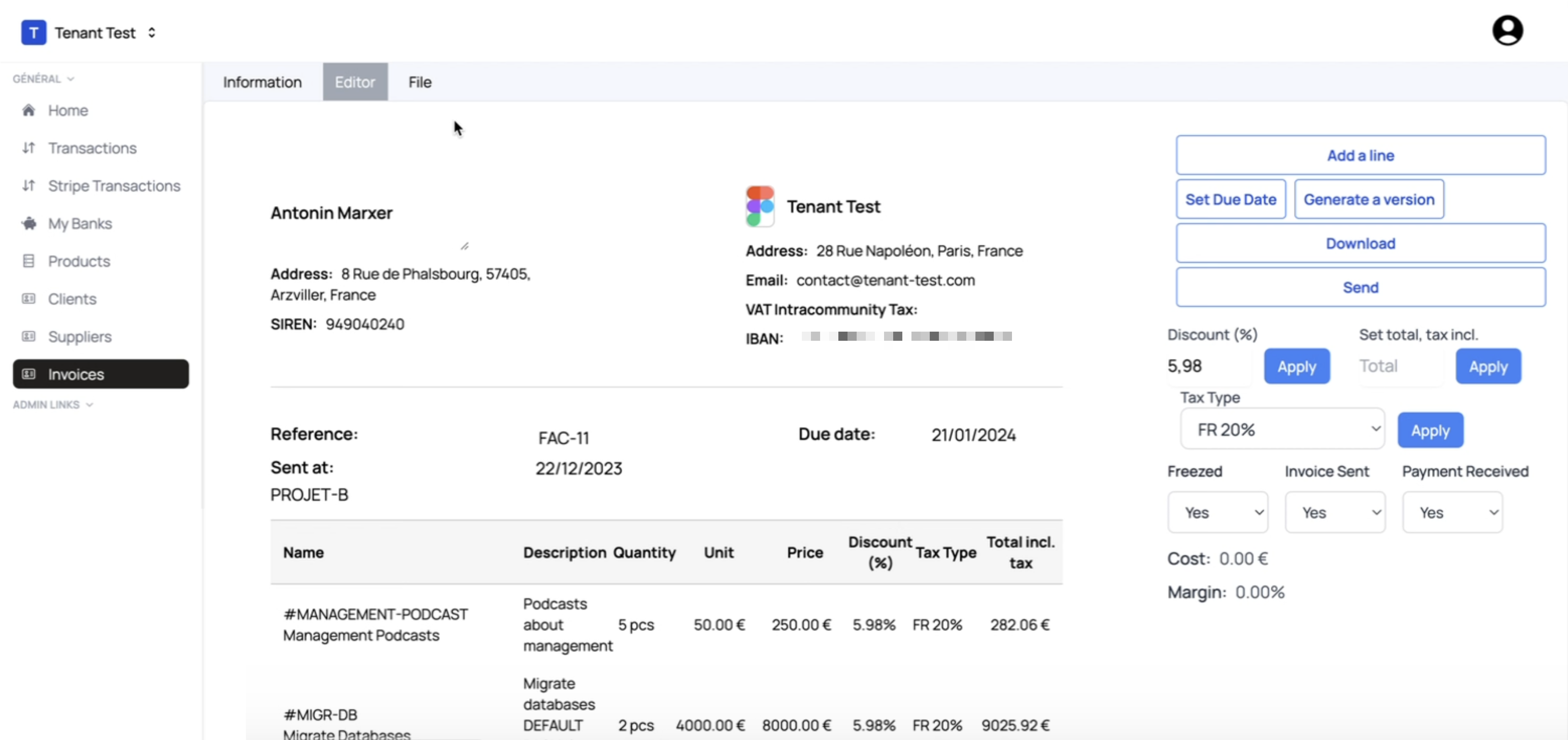
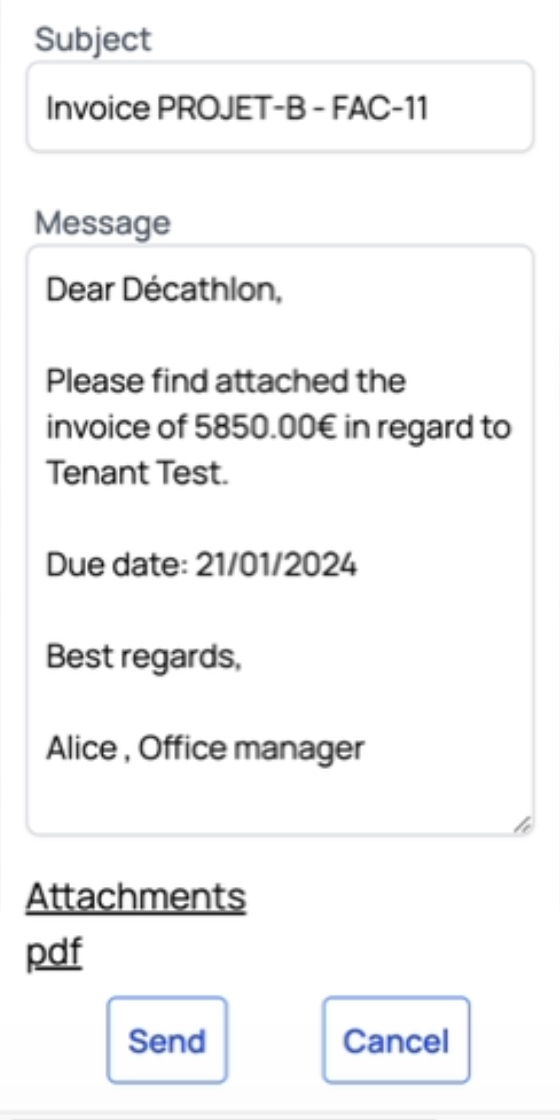
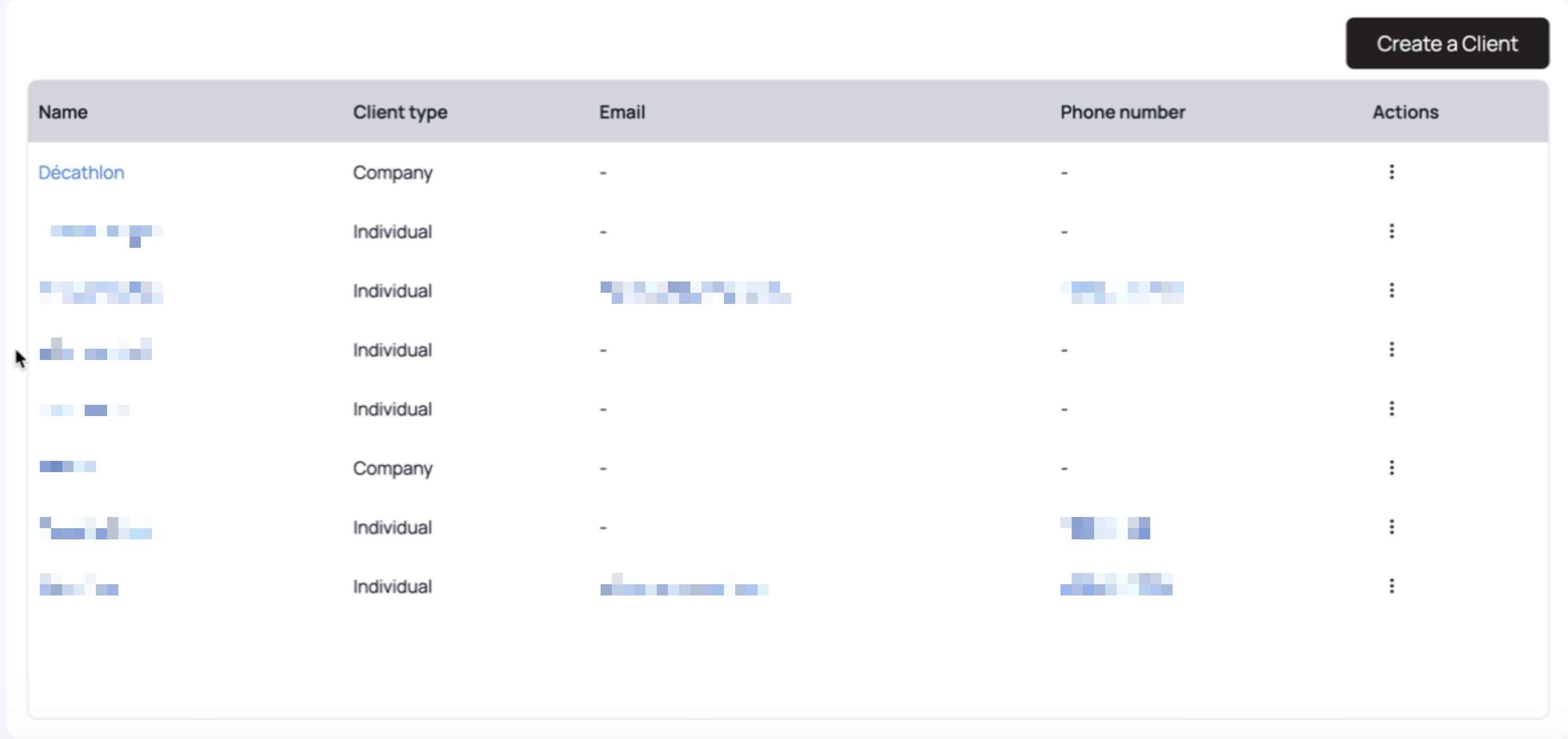
- Designed and built core features: product management, customer/supplier modules, invoicing engine
- Set up modern dev tooling: Vite, Formik, Sequelize, html2pdf
- Actively contributed to architectural and product decisions
- Fostered a pragmatic dev culture focused on user needs and fast iteration
Finotor — Smart Accounting for E-Commerce
Finotor’s Purpose
Finotor tackles a growing pain among online merchants: simplify and automate accounting. The project was initiated by Franck Brunet after a first failed attempt revealed common pitfalls:
- Poor client feedback loops
- Over-modularization
- Incoherent UI/UX
- Feature bloat
We built Finotor with those lessons in mind.
Key Features
- Native E-commerce Integrations Seamless data sync with WooCommerce, Shopify, and Stripe
- AI-Powered Automation Transaction categorization and anomaly detection
- Dynamic Financial Dashboards Actionable insights to monitor and optimize business health
- Cash Flow Forecasting Predictive models to help merchants anticipate liquidity needs
The Selego Method — Startup-as-a-Service
A Lean Startup Philosophy
- Short, iterative cycles focused on delivery and feedback
- Ruthless prioritization to maximize value early
- Keep It Simple (KISS) — build only what’s necessary
- Direct access to real users via Slack + on-site idea box
A Culture of Structured Innovation
At Selego, I experienced a work environment that balances:
- Creativity with structure: Encouraging bursts of ideas within a productive framework
- Transparent feedback loops: Open, respectful communication that boosts product quality and team cohesion
Technical Architecture
Modular System
- App — merchant-facing dashboard
- Admin — internal control panel
- API — unified backend with all business logic
Tech Stack
Frontend
- React + Vite — fast and modern interface
- Formik — robust form and validation management
- html2pdf — generate downloadable accounting docs
Backend
- Express — minimal and scalable framework
- Sequelize — database ORM
- AWS SDK — cloud storage for docs
- Nordigen — open banking data access
- Stripe — payment reconciliation
My Role in the Team
Worked as a full-stack developer alongside three teammates:
- Contributed to architecture and tooling choices
- Set up dev & prod environments and CI scaffolding
- Developed key modules:
- Product catalog for merchants
- CRM for customers and suppliers
- Invoice engine: generation and email dispatch
What I Gained
Technical Mastery
- Full-stack JS with modern tooling
- Secure API design and third-party integration
- Architecting scalable, modular SaaS systems
Methodological Strength
- Agile mindset tailored to early-stage products
- Prioritization based on value, not ego
- Working closely with stakeholders who aren’t developers
- Designing around real user needs, not hypotheticals
Final Takeaway
This mission helped shape my approach to product building: mix solid engineering with startup realism. I left with stronger dev skills and a clearer vision of what building useful, lean, user-centric products actually means.