Electric Assistance for Stroller
[ JUN 2021 - JUN 2023 ]Ideation, design, and implementation of electric assistance for triple strollers.
ROLE : Embedded software engineer, Fundraiser
CLIENT : For INSA Lyon & MAM'ZELLE MIRABELLE ARZVILLER
The team at the MAM’zelle Mirabelle Arzviller maternal assistants' house approached me with a clear need: their triple stroller, used daily, was too heavy—causing back pain and limiting their ability to go on outings. This risked reducing outdoor time for the children in their care, which was unfortunate.
However, commercial electric assist systems cost around $1,000, making them inaccessible. That’s what inspired me to launch this project two years ago — with a single goal: to create a smart and affordable electric assistance system for strollers.
Developing the Arduino system — SUMMER 2021
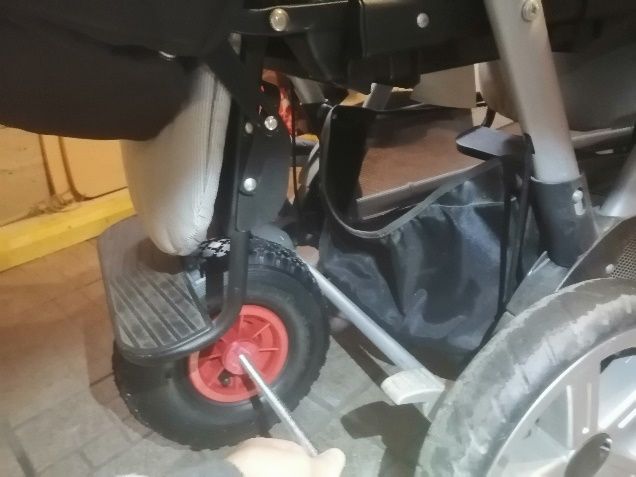
I started buying all parts I needed and made a first prototype of the electric system with an Arduino board. The idea is to place a motorized wheel at the bottom of the stroller:
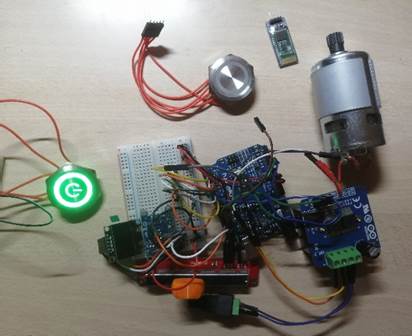
Among the Arduino devices I received, I can list:
- A Lithium-ion 24V 28000mAh
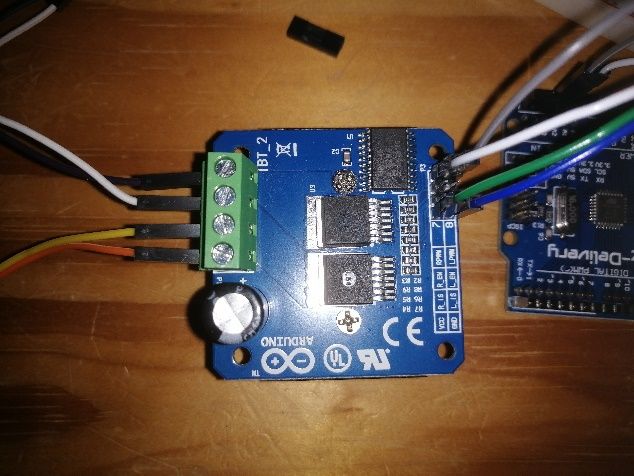
- A motor driver BTS7960B H-bridge 43A
- A DC motor 288W-775 12000rp-24V, China, 1PCS
- A slide potentiometer
- Waterproof buttons
- 0.96" OLED IIC display

Fundraising — SEPTEMBER 2021 TO FEBRUARY 2022
I needed to go back to Lyon to study, and I saw a chance there for this very project! I made a fundraising file to obtain donations, and presented it to the Coups de Pouce Passions INSA Lyon 2022 (which translates to “Nudges for passions”). Thanks to them, I received $730 in assistance, which was much sufficient to continue the research and development! I fully support the INSA Lyon Foundation, which provides financial support for artistic, technological, sports and other projects without any compensation other than the satisfaction of pushing the dreams of INSA Lyon students further ❤️
Realization — JUNE 2022 TO NOW
I got the help of Cédric Contet, who recently launched his own photo-video company Pixced, please don't hesitate to check out his instagram page pix_ced_!
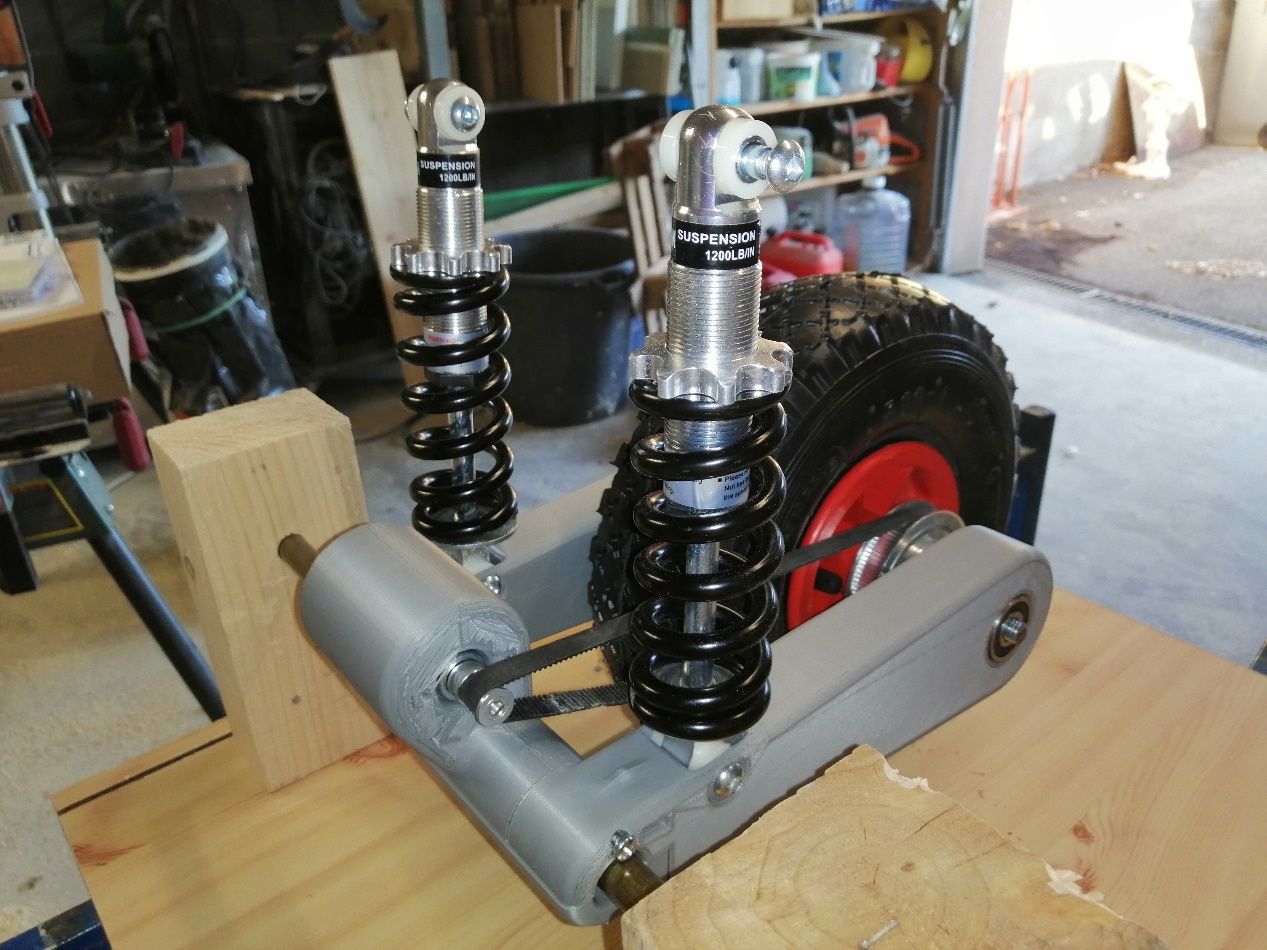
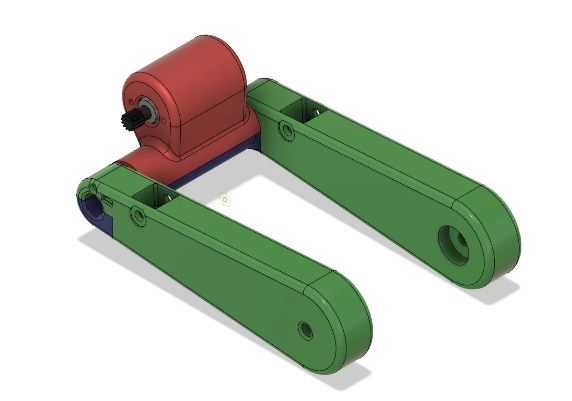
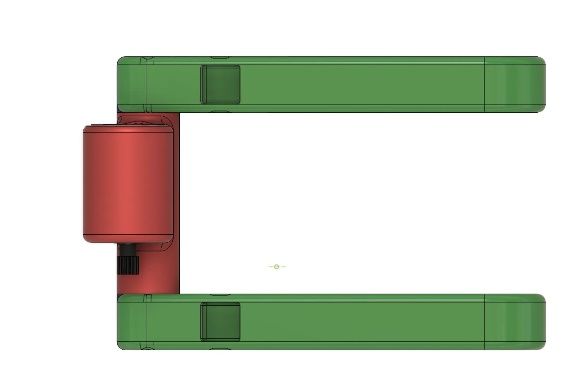
He designed the mechanical prototype with Fusion 360:
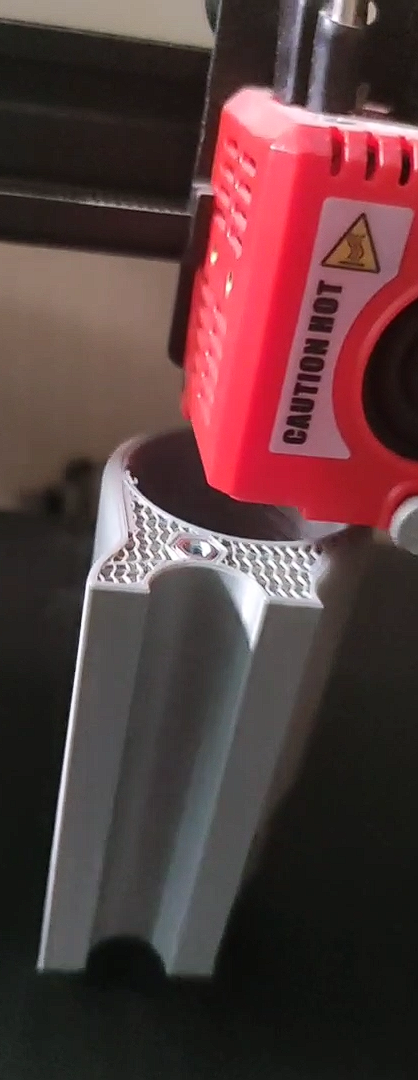
Then Cédric 3D printed the designed parts:
We assembled the parts and made sure the system fits below the stroller:
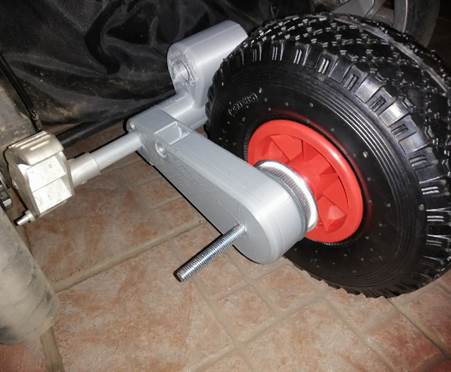
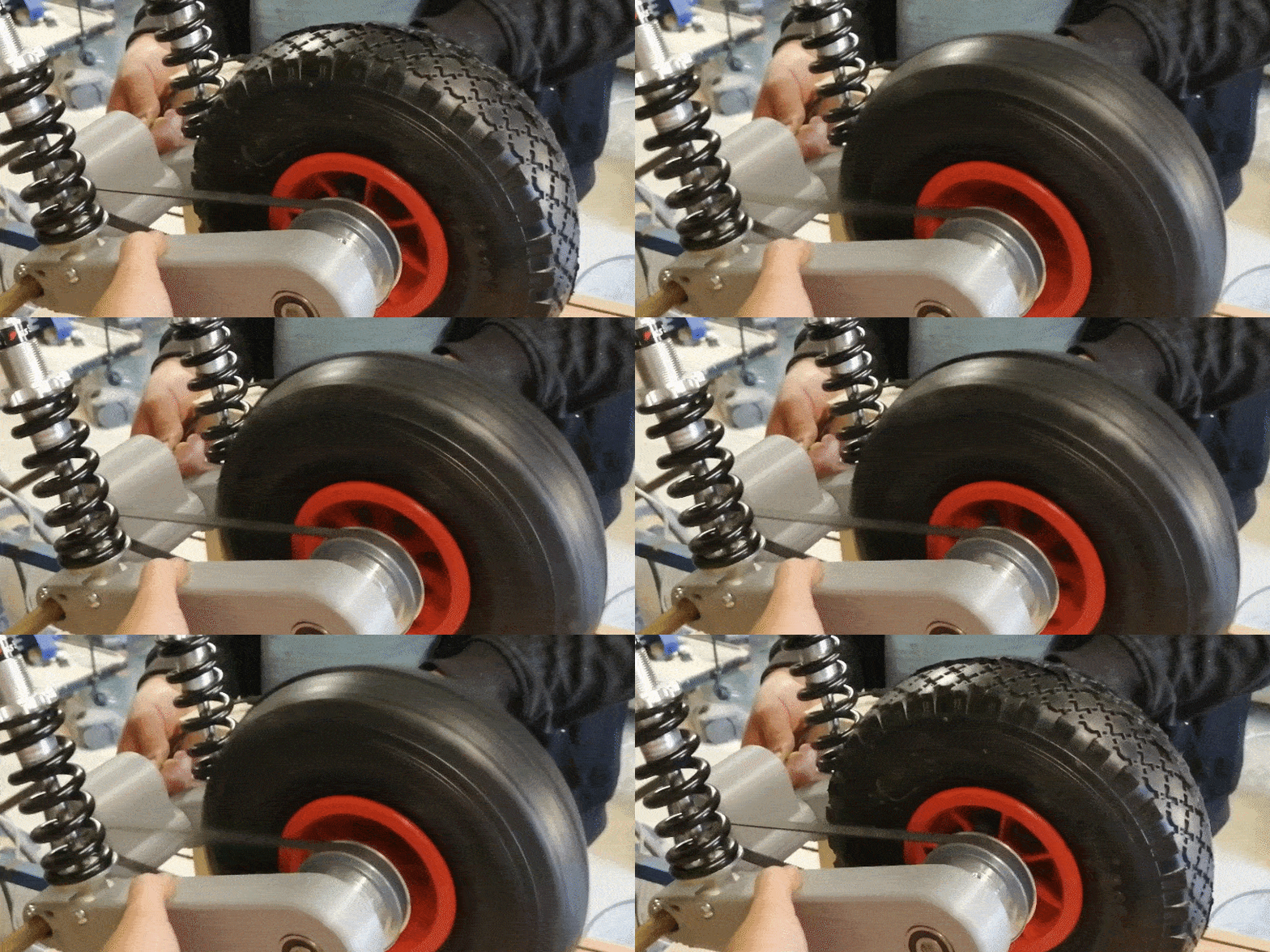
Then it was time to try out the motor, which was a huge success:
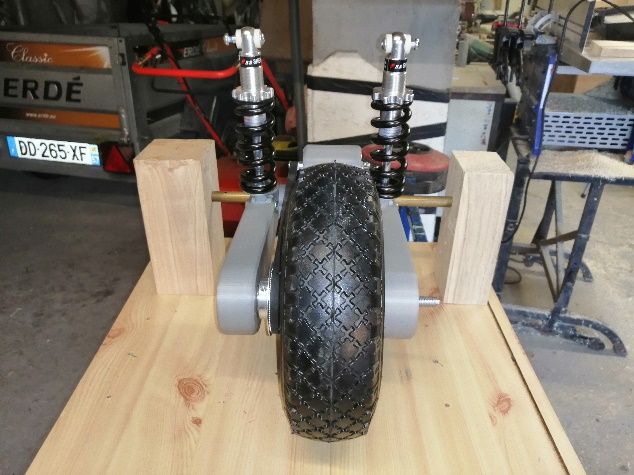
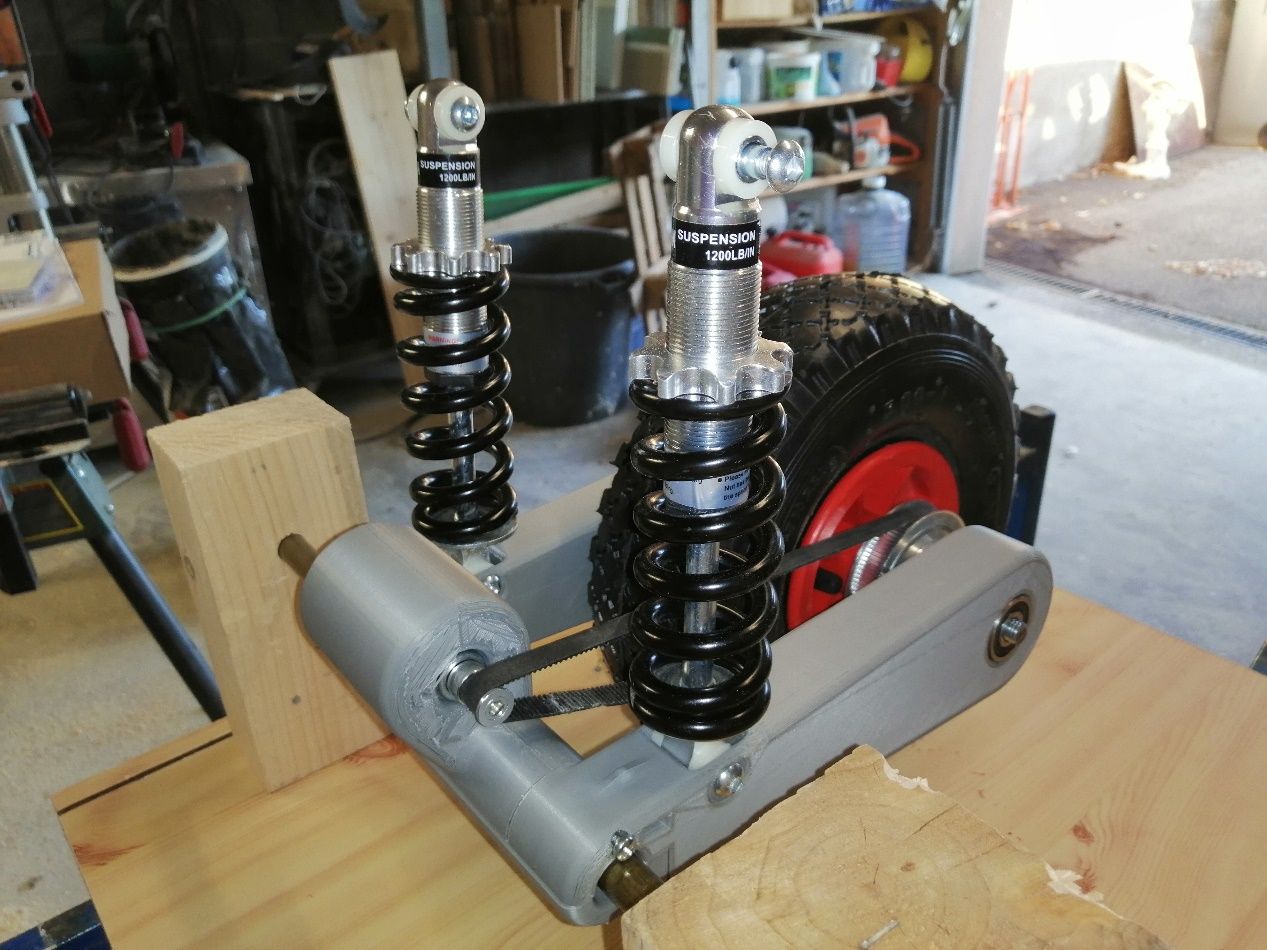
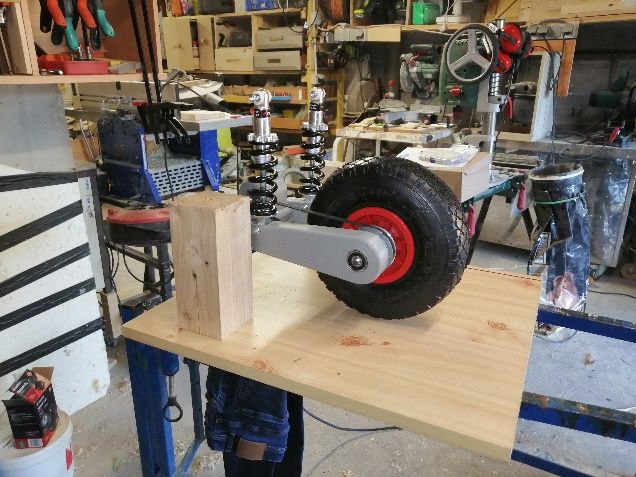
In order to use the electrical system in real life, a PCB must be used in place of breadboards where jumper wires disconnections may happen. The PCB has been printed and is being tested.